ANSI Hi-Vis Classes Explained: Which One Does Your Crew Need? If you’ve ever looked at a hi-vis label and seen “Class 2” or “Type R” and wondered what it actually means, you’re not alone. The ANSI/ISEA 107 standard is the reference most US employers use to decide what level of

If you’ve ever looked at a hi-vis label and seen “Class 2” or “Type R” and wondered what it actually means, you’re not alone. The ANSI/ISEA 107 standard is the reference most US employers use to decide what level of high-visibility clothing their workers need — but the class and type system isn’t always explained clearly at the point of purchase. Here’s what it actually means, and how to figure out what your crew needs.
ANSI/ISEA 107 is the standard published by the American National Standards Institute and the International Safety Equipment Association covering high-visibility safety apparel. It sets minimum requirements for background fluorescent material, retroreflective tape, garment coverage and labeling. OSHA doesn’t publish its own hi-vis clothing rule for most industries — instead, it references ANSI/ISEA 107 as the benchmark, including through the Manual on Uniform Traffic Control Devices (MUTCD) for roadway work.
Class 1 is the minimum level, intended for workers who have clear separation from traffic and equipment — think parking attendants, warehouse staff away from vehicle paths, or sidewalk maintenance crews.
Class 2 is the common baseline for construction and general roadside work. It’s required where workers are exposed to traffic, work near moving equipment, or operate in complex visual backgrounds. Most general contractors set Class 2 as a blanket minimum across an entire site, even for roles that aren’t directly in the roadway.
Class 3 is the highest garment-level classification, required for high-speed traffic exposure, low-visibility conditions, or complex work environments where maximum visibility is critical. Class 3 typically means full-body coverage — sleeves and legs, not just a vest.
Alongside class, ANSI/ISEA 107 assigns a garment type based on the work environment:
A few questions to work through:
Your facility’s written hazard assessment should ultimately specify the required class — this is a starting point for that conversation, not a substitute for it.
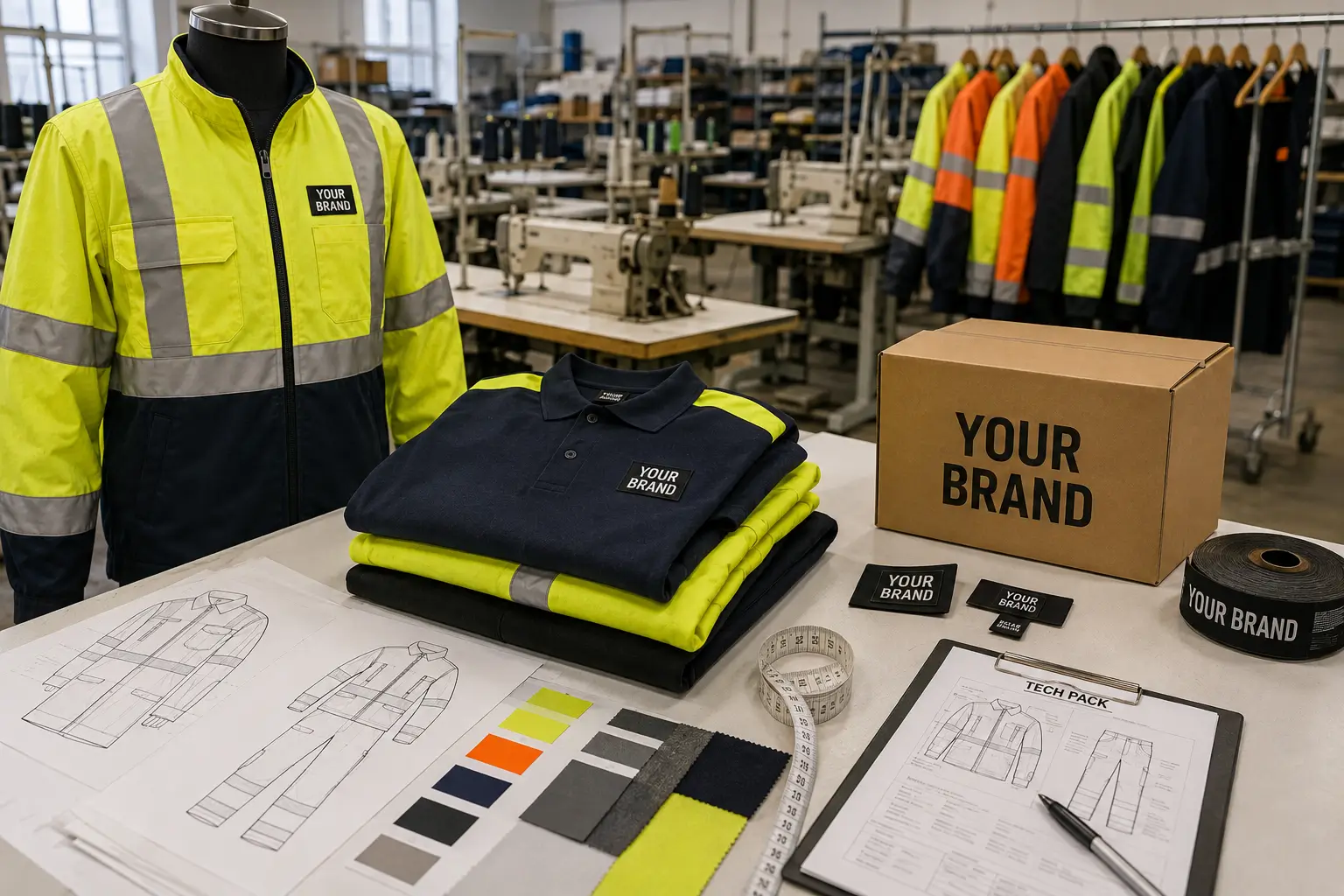
We manufacture hi-vis vests, jackets, trousers, t-shirts, sweatshirts, hoodies, polo shirts and overalls built to ANSI/ISEA 107 class and type requirements, in bulk, direct from our factory. If you already know your required class, we can confirm garment options; if you’re not sure, tell us about your work environment and we’ll help narrow it down. See our full [Hi-Vis Clothing collection] for available styles.
What ANSI class is required for construction workers in Ohio? Most general construction and roadside work requires ANSI/ISEA 107 Class 2 as a minimum, with Class 3 required for high-speed traffic or low-visibility conditions.
Is Class 3 hi-vis clothing always full-body? Class 3 garments typically require coverage of both the torso and limbs — a vest alone usually isn’t enough to meet Class 3 on its own.
Does hi-vis clothing expire? Hi-vis garments degrade over time through washing, UV exposure and general wear. Retroreflective tape should be checked periodically — if it no longer reflects light clearly in a dark test, the garment should be replaced.
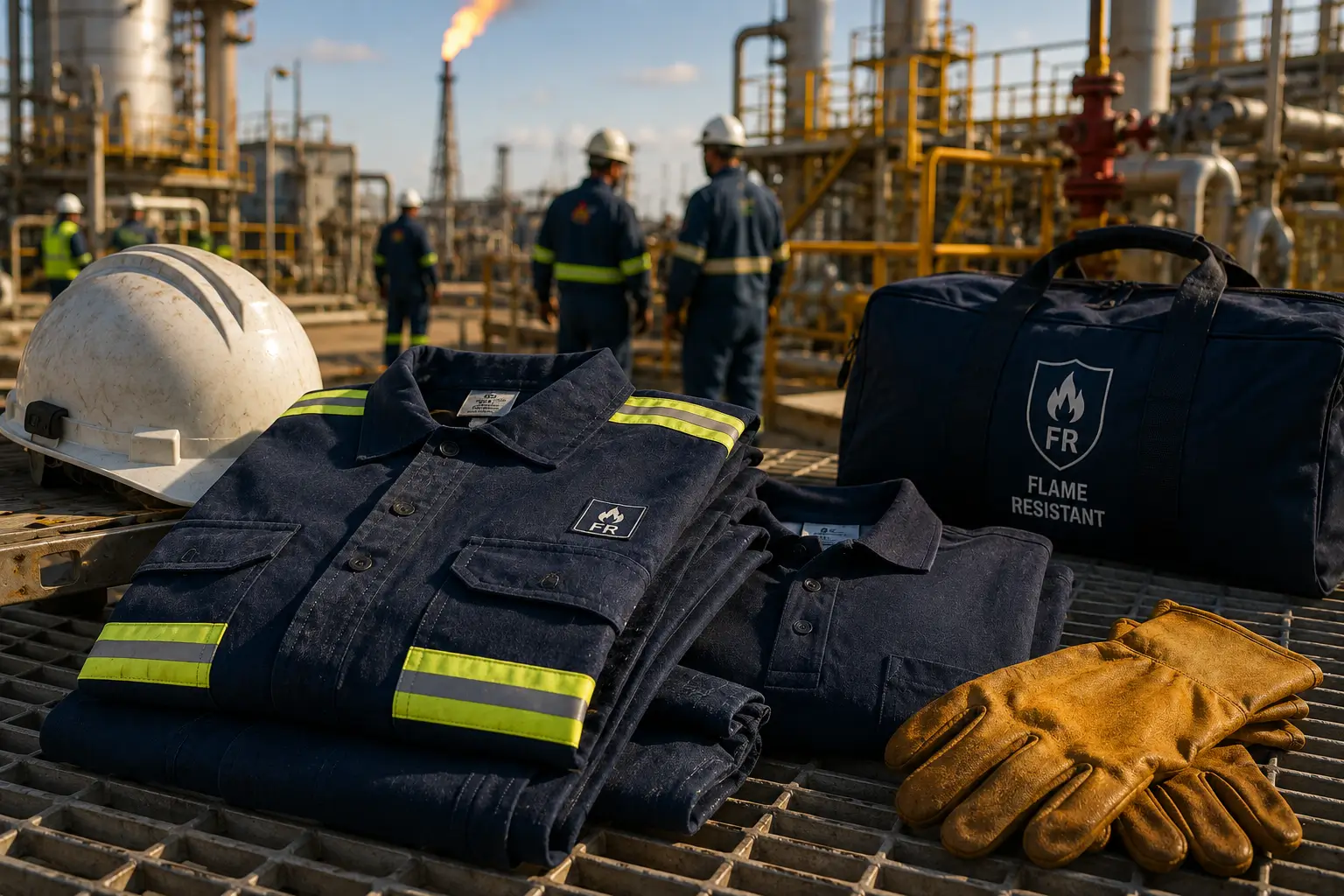
Can hi-vis clothing be flame resistant too? Yes. Garments can be both ANSI/ISEA 107 hi-vis compliant and FR-rated to NFPA standards — this is common in oil, gas and utility work. Ask us about combined hi-vis/FR options.
Request a Quote | View Hi-Vis Clothing Collection