NFPA 2112 Explained: What Industrial Employers Need to Know If your workers face flash-fire risk — oil and gas, utilities, chemical processing, certain manufacturing environments — you’ve likely run into the term NFPA 2112 while sourcing protective clothing. Here’s what it actually covers and what it means for buying FR
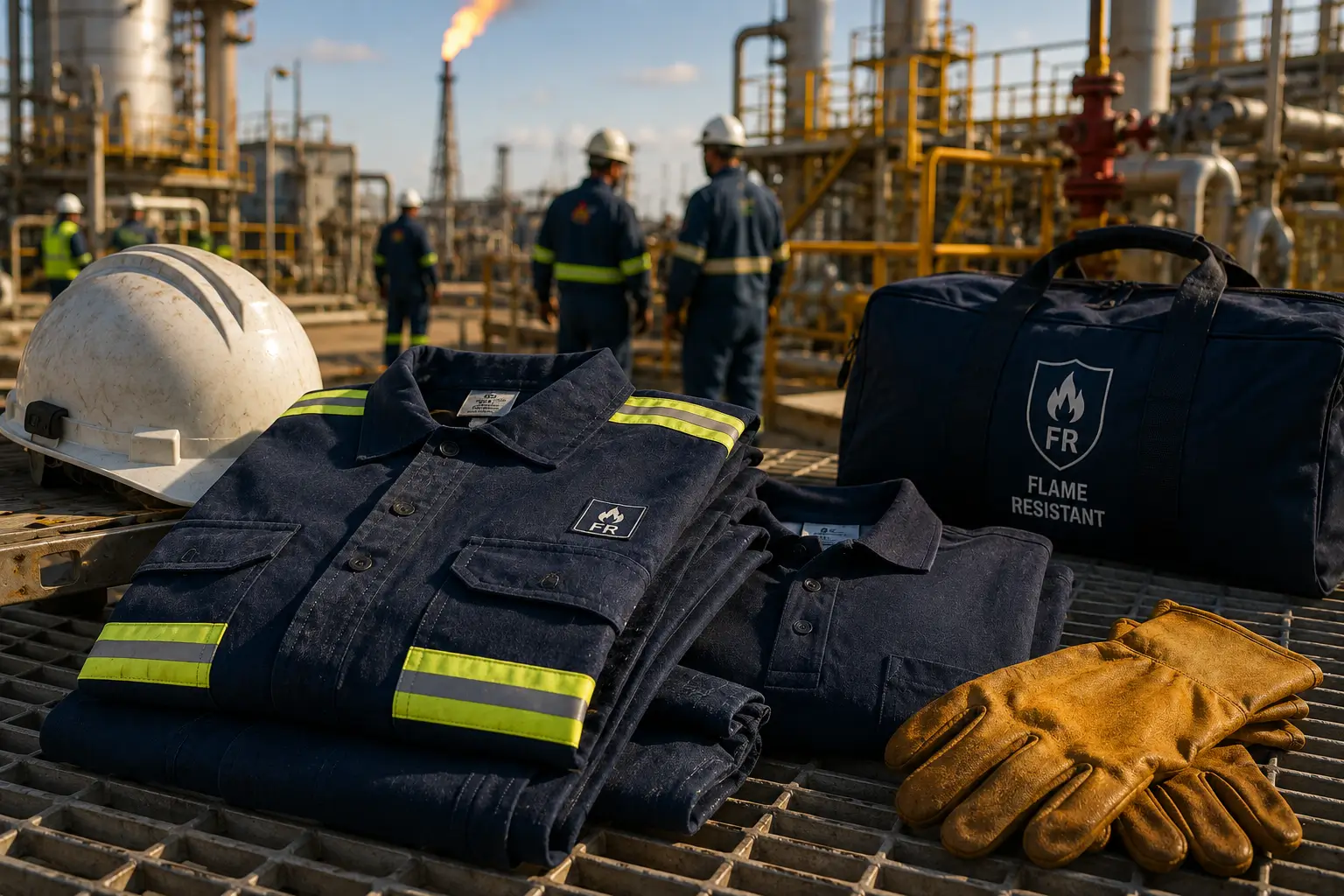
If your workers face flash-fire risk — oil and gas, utilities, chemical processing, certain manufacturing environments — you’ve likely run into the term NFPA 2112 while sourcing protective clothing. Here’s what it actually covers and what it means for buying FR workwear.
NFPA 2112 is the standard published by the National Fire Protection Association covering flame-resistant garments for protecting industrial personnel against flash fire. It sets requirements for fabric flammability, thermal protection, and garment design, and defines the testing a garment must pass to carry an NFPA 2112 label.
It’s specifically about flash-fire protection — a short, intense fire event — rather than prolonged fire exposure, which is covered by different standards for firefighting turnout gear.
FR protection comes from one of two approaches:
Inherently FR fabric has flame resistance built into the fiber itself. It doesn’t wash out over the life of the garment, which makes it a common choice where laundering practices are inconsistent or hard to control.
Treated FR fabric starts as a standard fabric with a flame-retardant chemical finish applied. It performs well but depends on following care instructions — certain detergents, bleach, or improper washing can degrade the treatment over time.
Neither option is universally “better” — the right choice depends on your laundering setup, budget, and how much control you have over how the garments are actually cared for once they leave the plant.
Common industries include:
Your requirement should come from your own hazard assessment — this article is background for that conversation, not a substitute for a proper workplace safety evaluation.
We manufacture FR overalls, trousers, jackets, sweatshirts, polo shirts and base layers built to meet NFPA 2112 requirements. Tell us your industry, hazard exposure and laundering setup, and we’ll help you choose between inherent and treated fabric options for your order. See our full [Flame Retardant Workwear collection] for available styles.
What’s the difference between FR and flame retardant clothing? “FR” and “flame retardant” are generally used interchangeably to describe garments that resist ignition and self-extinguish, as opposed to regular fabric that continues burning.
Does NFPA 2112 cover arc-flash protection? NFPA 2112 covers flash-fire protection specifically. Arc-flash protection is typically addressed under a separate standard (NFPA 70E for electrical safety practices) — check with your safety team on which applies to your specific hazard.
Can FR workwear also be hi-vis compliant? Yes. Garments can be manufactured to meet both NFPA 2112 FR requirements and ANSI/ISEA 107 hi-vis requirements — common in utility and oil and gas roadside work.
How do I know if my current FR clothing still offers protection? Follow the garment’s specific care label exactly — incorrect washing, bleach, or fabric softeners can degrade FR protection over time, especially on treated fabric. If in doubt, check with the manufacturer or a qualified inspector.
Request a Quote | View Flame Retardant Workwear Collection